Wrong Fuel in Car: A Common but Serious Mistake
Putting the wrong fuel in your car is more common than you might think. Every day, drivers across Australia accidentally fill their diesel vehicles with petrol or put diesel in their petrol cars. This seemingly simple mistake can lead to serious engine damage and expensive repairs if not handled correctly.
Understanding what happens when you put wrong fuel in your car, recognizing the signs, and knowing the immediate steps to take can save you thousands of dollars in repair costs.
How Does Wrong Fuel Happen?
The most common scenarios include:
- Distraction at the pump: Taking a phone call or being in a hurry
- Unfamiliar vehicle: Driving a rental car, company vehicle, or borrowed car
- Similar-looking nozzles: Especially at servos with multiple pump options
- Fatigue: Late-night or early-morning refueling when tired
- Autopilot mode: Filling up out of habit without thinking
What Happens When You Put Wrong Fuel in Your Car?
Petrol in a Diesel Car
This is the more dangerous scenario. Diesel fuel acts as a lubricant for diesel engine components, particularly the fuel pump and injectors. Petrol lacks these lubricating properties and can cause immediate damage:
- Fuel pump damage due to lack of lubrication
- Injector failure from running dry without proper lubrication
- Metal-on-metal contact causing component wear
- Potential engine seizure if driven for extended periods
If you start the engine and drive, petrol circulates through the entire fuel system, contaminating everything it touches. This can result in extremely expensive repair bills depending on the extent of damage.
Diesel in a Petrol Car
While still serious, this scenario is generally less catastrophic. Diesel won't ignite properly in a petrol engine because it requires higher compression. The result:
- Engine won't start or runs very poorly
- Excessive smoke from exhaust
- Misfiring and rough running
- Clogged fuel filters and spark plugs
The good news is that if caught early, diesel in a petrol car typically requires only fuel system drainage and cleaning. Call 0416 692 022 for pricing information.
Immediate Warning Signs
If you've already started driving with wrong fuel, watch for these symptoms:
- Engine misfiring or unusual noises: Knocking, grinding, or spluttering sounds
- Loss of power: Vehicle struggles to accelerate or maintain speed
- Excessive smoke: Black or white smoke from exhaust
- Engine warning lights: Check engine light or other dashboard warnings
- Difficulty starting: Engine cranks but won't start or takes multiple attempts
- Rough idling: Engine runs unevenly or shakes at idle
If you notice any of these signs, stop driving immediately and turn off the engine to prevent further damage.
Need help right now? Contact Rapid Fuel Rescue for 24/7 emergency fuel drainage.
Critical Steps to Take Immediately
If You Haven't Started the Engine
This is the best-case scenario. If you realize your mistake before starting the car:
- DO NOT turn the key - Don't even turn it to accessory position
- Leave the vehicle where it is - Don't attempt to push it away from the pump
- Call for professional help immediately - Mobile fuel rescue services can arrive quickly
- Inform the service station - Let them know you need to leave your vehicle temporarily
Professional wrong fuel correction in the car at this stage typically takes 60-90 minutes. The contaminated fuel is drained, the system is flushed, and you're back on the road with minimal hassle. Call 0416 692 022 for pricing information.
If You've Already Started the Engine
If the engine has been running with wrong fuel:
- Turn off the engine immediately - Every second of running increases damage
- Don't restart the vehicle - Attempting to restart circulates more contaminated fuel
- Pull over safely if driving - Get to a safe location then turn off engine
- Call for emergency fuel rescue - Professional help is essential at this point
Once the engine has run with wrong fuel, more comprehensive service is needed, including complete system flushing and potential component inspection or replacement.
Why Professional Help Matters
Many drivers consider DIY solutions or trying to "dilute" wrong fuel by adding more correct fuel. These approaches rarely work and often make things worse:
- Incomplete drainage: DIY methods can't remove all contaminated fuel from the system
- Residual contamination: Even small amounts of wrong fuel can cause problems
- Hidden damage: Without proper inspection, existing damage may go unnoticed
- Wasted time and money: Failed DIY attempts still end up requiring professional service
Professional mobile fuel rescue services have specialized equipment to completely drain and flush your fuel system on-site, typically getting you back on the road within 1-2 hours.
Prevention Tips
Avoid wrong fuel mistakes with these simple precautions:
- Pay attention at the pump: Stay focused during refueling
- Check before you fill: Look at the pump nozzle and your fuel cap
- Use reminder stickers: Place labels near the fuel cap if needed
- Read fuel cap labels: Most caps clearly indicate fuel type
- Brief other drivers: If sharing a vehicle, ensure everyone knows the correct fuel
The Cost of Quick Action
The financial difference between catching the mistake early versus driving with wrong fuel is dramatic:
- Caught before starting: Professional drainage service, fixed in 1-2 hours
- Engine started but stopped quickly: More extensive service required, may need overnight attention
- Driven for several kilometers: Potentially major repairs needed, multiple days in workshop
This makes professional mobile fuel rescue not just convenient, but an incredibly cost-effective investment when wrong fuel happens.
Get Help from Your Wrong Fuel Doctor
If you've put wrong fuel in your car anywhere in Perth or Western Australia, immediate professional help is just a phone call away. Time is critical - the faster you act, the less damage occurs and the lower your costs will be.
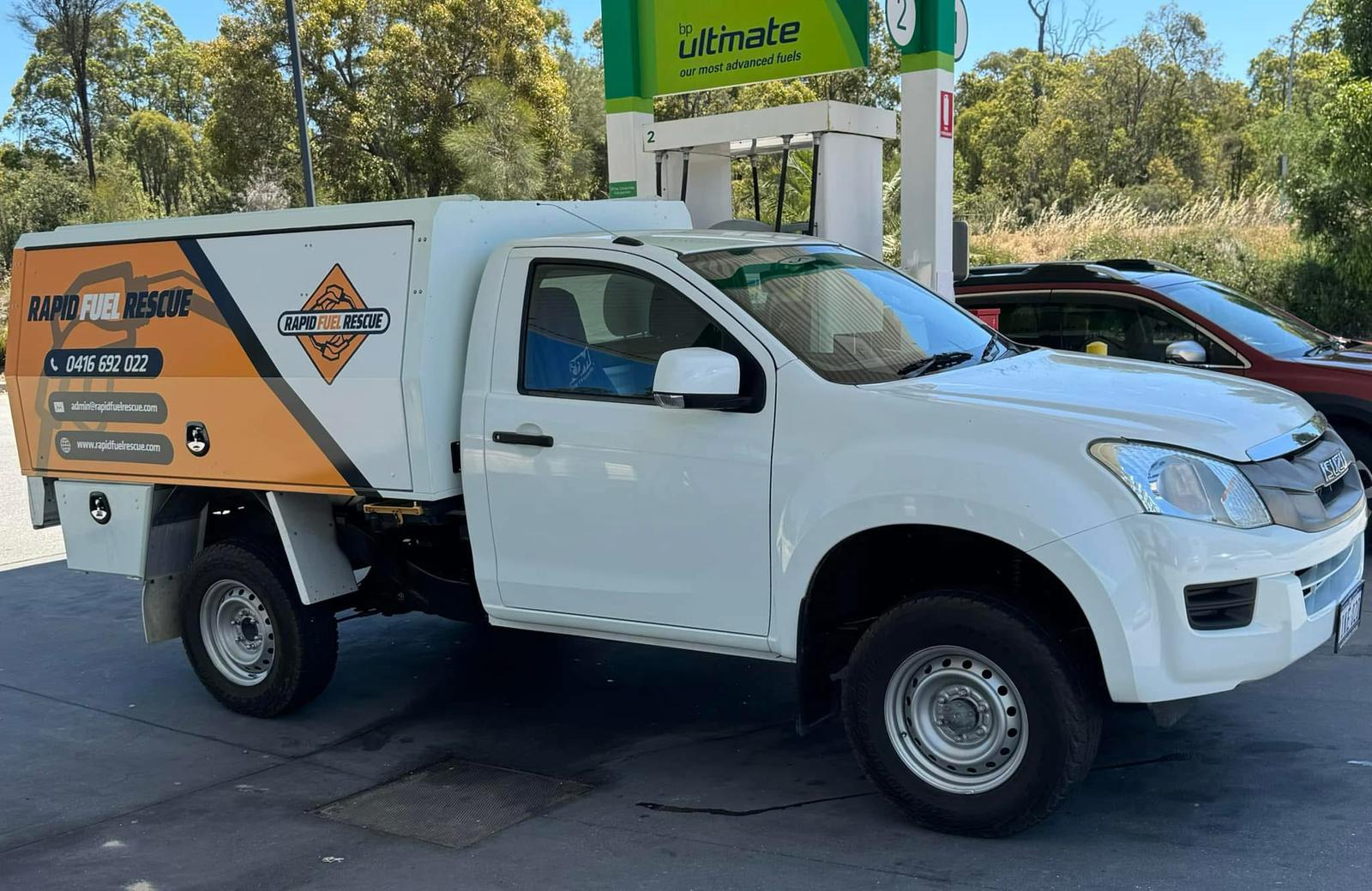
Rapid Fuel Rescue provides fast, professional mobile fuel drainage and system flushing 24/7 across Perth. Our experienced technician arrives equipped with everything needed to completely remove contaminated fuel and get you safely back on the road.
Don't wait and don't try to fix it yourself. Contact your trusted wrong fuel doctor now by calling 0416 692 022 for immediate assistance.
We provide upfront pricing, professional service, and the expertise to handle any wrong fuel situation quickly and efficiently. Remember: catching this mistake early and getting professional help immediately is the difference between a minor inconvenience and a major repair bill.
For expert assistance with wrong fuel emergencies, contact rapid fuel rescue today.