Understanding When and Why You Need to Drain Your Chevy Silverado Fuel Tank
The Chevy Silverado is one of America's most popular full-size pickup trucks, known for its durability, power, and reliability. However, even the most dependable vehicles can face situations requiring complete fuel tank drainage. Whether you've accidentally filled the wrong fuel type, experienced fuel contamination, need to perform maintenance, or are preparing for long-term storage, understanding how to properly drain a Chevy Silverado fuel tank is essential knowledge for any owner or technician.
Modern Chevy Silverado models feature sophisticated fuel systems with advanced safety features, including multiple rollover valves, complex vapor recovery systems, and intricate fuel line configurations. These systems make fuel tank drainage more complicated than older vehicles, requiring specialized knowledge and equipment. This comprehensive guide covers everything you need to know about safely draining a Silverado fuel tank, the risks involved, and why professional assistance often provides the safest and most effective solution.
Common Reasons for Draining a Chevy Silverado Fuel Tank
Wrong Fuel Contamination - The Emergency Situation
The most urgent reason to drain a fuel tank is wrong fuel contamination. While diesel Silverados are less common than their gasoline counterparts, both variants exist, and misfueling incidents occur regularly. Putting diesel in a gasoline Silverado, or gasoline in a diesel variant, creates an immediate emergency requiring complete fuel system drainage before starting the engine. Even a small amount of wrong fuel mixed with the correct fuel can cause serious engine damage if the vehicle is operated.
Gasoline engines contaminated with diesel will experience rough running, misfiring, and potential damage to spark plugs and catalytic converters. Diesel engines contaminated with gasoline face even more severe consequences, as gasoline strips away the lubricating properties that diesel fuel provides to high-pressure injection components. Running a diesel engine on gasoline-contaminated fuel can destroy the injection pump and injectors within minutes, resulting in repair bills exceeding ten thousand dollars.
Contaminated or Old Fuel Issues
Fuel that sits unused for extended periods undergoes chemical breakdown, forming varnishes, gums, and deposits that can clog fuel filters, injectors, and carburetor passages. This is particularly common in Silverados used seasonally, work trucks that sit idle during slow periods, or vehicles stored for winter months. Water contamination from condensation or poor fuel quality is another frequent issue, especially in humid climates. Water in fuel causes corrosion, supports microbial growth, and prevents proper combustion.
Contaminated fuel manifests through various symptoms including rough idling, poor acceleration, engine misfires, difficulty starting, and reduced fuel economy. When contamination is severe, complete tank drainage and fuel system cleaning becomes necessary to restore proper performance and prevent component damage.
Fuel System Repairs and Component Replacement
Certain maintenance and repair procedures require emptying the fuel tank as a safety requirement. These include fuel pump replacement, fuel tank repair or replacement, fuel sender unit service, addressing fuel leaks, and tank cleaning. Working on fuel systems with fuel present creates serious fire and explosion hazards that professional technicians eliminate through proper drainage procedures.
Long-Term Storage Preparation
Preparing a Silverado for extended storage often involves either draining the fuel tank completely or adding fuel stabilizer to preserve fuel quality. Many owners prefer complete drainage to eliminate any risk of fuel degradation, especially for storage periods exceeding six months.
Critical Safety Considerations Before Attempting Fuel Drainage
Fuel drainage is inherently dangerous work that requires serious safety precautions. Gasoline is extremely flammable, and its vapors are heavier than air, meaning they accumulate at ground level where ignition sources may be present. Understanding and respecting these hazards is non-negotiable before attempting any fuel system work.
Fire and Explosion Risk: Gasoline vapors can ignite from the smallest spark, including static electricity, electrical switches, pilot lights, and hot surfaces. A single spark can cause catastrophic fires or explosions that result in severe injuries or death.
Toxic Vapor Exposure: Fuel vapors cause dizziness, nausea, headaches, and unconsciousness when inhaled in enclosed spaces. Prolonged exposure can cause serious health effects including organ damage.
Skin and Eye Contact Hazards: Direct fuel contact irritates skin and can cause chemical burns with extended exposure. Fuel splashed in eyes can cause permanent damage without immediate proper flushing.
Environmental Contamination: Spilled gasoline contaminates soil and groundwater, creating environmental hazards that can persist for years. Improper fuel disposal violates environmental regulations and can result in substantial fines and cleanup costs.
Carbon Monoxide Poisoning: Running engines during drainage procedures produces deadly carbon monoxide gas. Without proper ventilation, CO accumulates to fatal levels with no warning symptoms until collapse occurs.
Professional fuel drainage services use explosion-proof equipment, proper ventilation systems, personal protective equipment including respirators and chemical-resistant gear, approved fuel storage containers, and specialized tools designed specifically for safe fuel handling. Most vehicle owners lack access to this specialized safety equipment.
Professional Methods to Drain a Chevy Silverado Fuel Tank
Professional technicians employ several proven methods to safely drain Silverado fuel tanks, selecting the appropriate approach based on the specific situation, fuel contamination level, and available equipment.
Method 1: Fuel Pump Access Method
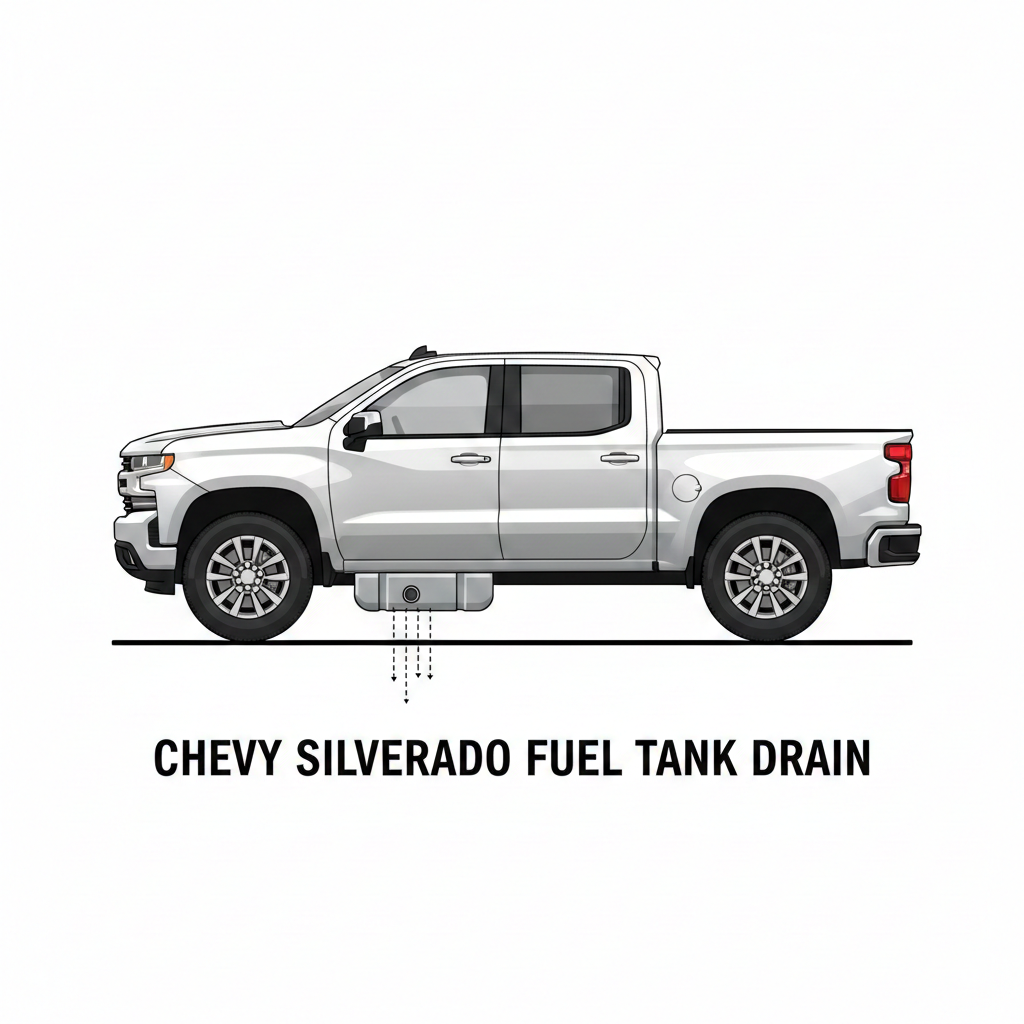
The most common professional approach involves accessing the fuel pump assembly to drain the tank using the vehicle's own fuel system. Chevy Silverados typically have the fuel pump accessible from inside the truck bed, eliminating the need for tank removal in many cases. This method involves removing the truck bed or accessing through a service panel, disconnecting the fuel pump electrical connector, removing fuel line connections, and using the fuel pump or a hand pump to transfer fuel to approved containers.
This approach is relatively quick, minimizes the risk of fuel spillage, and doesn't require lowering the heavy fuel tank. However, it requires proper tools and knowledge of fuel system connections specific to Silverado models.
Method 2: Fuel Line Disconnection Method
Another professional technique involves disconnecting fuel lines at strategic points and using the vehicle's fuel pump to transfer fuel to collection containers. Technicians locate an accessible fuel line connection point, disconnect the line carefully while containing any spillage, activate the fuel pump using a scan tool or by jumpering the fuel pump relay, and collect fuel in approved containers while monitoring the process.
This method works well for partial drainage or when the fuel pump is functional. It's faster than complete tank removal but requires specific knowledge of Silverado fuel system architecture and proper diagnostic tools.
Method 3: Complete Fuel Tank Removal
For severe contamination, tank damage, or when thorough cleaning is necessary, complete tank removal provides the most comprehensive solution. This extensive process involves safely lifting and supporting the vehicle on jack stands or a lift, disconnecting fuel lines, electrical connections, and vapor lines, removing the tank mounting straps or brackets, carefully lowering the heavy tank while managing remaining fuel, and draining the tank completely in a controlled environment.
After drainage, technicians can inspect the tank interior, clean thoroughly, replace the fuel pump or sender if needed, and inspect all connections and lines. While time-intensive and labor-heavy, this method ensures complete fuel removal and allows for comprehensive fuel system inspection.
Why Professional Assistance is Recommended
While some mechanically-inclined Silverado owners consider DIY fuel drainage, several factors make professional service the recommended choice for most situations. When you need expert fuel tank drain services, professionals provide specialized expertise and equipment that ensures safe, complete fuel removal.
Professional services use explosion-proof fuel transfer equipment specifically designed for safe fuel extraction. These specialized pumps prevent sparks and safely manage fuel vapors, critical when working with highly flammable liquids. Standard household pumps or siphons lack these safety features and can create deadly hazards.
Silverado fuel systems vary significantly across model years and trim levels. Professional technicians understand these differences and know the specific access points, connection types, and procedures for each variant. They can quickly identify whether your Silverado uses a single tank or dual tank configuration, locate the correct fuel pump access panel, and select the most efficient drainage approach.
Proper fuel disposal is another critical consideration. Gasoline is classified as hazardous waste and requires proper disposal according to environmental regulations. Professional services have the necessary permits, approved storage containers, and disposal procedures to handle contaminated fuel legally and safely. Improper disposal can result in substantial fines, environmental damage, and legal liability.
Professional mobile fuel drainage services offer significant convenience advantages. They come to your location, whether at home, work, or roadside, eliminating the need to tow your Silverado to a shop. This is particularly valuable in wrong fuel emergencies where starting the engine would cause severe damage.
Need help right now? Contact Rapid Fuel Rescue for 24/7 emergency fuel drainage.
Understanding Silverado Fuel System Specifics
Chevy Silverado fuel systems have evolved significantly across generations, and understanding your specific model's configuration is essential for proper drainage procedures.
Fuel Tank Capacity and Configuration
Silverado fuel tank capacity varies by cab configuration and model year. Standard cab models typically feature a 26-gallon tank, crew cab configurations often use a 24-gallon or 28-gallon tank, and some models offer optional larger capacity tanks up to 36 gallons. Certain Silverado configurations, particularly older models, feature dual fuel tank systems with a selector switch, requiring drainage of both tanks for complete fuel removal.
Fuel Pump Access
Most modern Silverados provide fuel pump access without complete tank removal. The fuel pump module is typically accessible by removing the truck bed or through an access panel under the rear seat or in the bed floor. This design makes fuel drainage more practical than vehicles requiring complete tank removal for pump access.
Fuel System Pressure
Silverado fuel systems operate under pressure, typically between 55-65 PSI depending on the model year and engine. Before disconnecting any fuel lines, technicians must relieve this pressure to prevent dangerous fuel spray. This is accomplished by removing the fuel pump fuse and running the engine until it stalls, or by carefully loosening fuel line connections to release pressure gradually.
The Professional Fuel Drainage Process Step-by-Step
Understanding the complete professional drainage process helps you appreciate the complexity involved and sets proper expectations for service.
The process begins with initial assessment. Technicians verify the reason for drainage, check fuel type and contamination level, assess tank capacity and remaining fuel quantity, and identify the specific Silverado model year and configuration. This information guides the drainage approach and time estimation.
Next comes proper vehicle positioning and safety preparation. The vehicle is positioned on level ground in a well-ventilated area, all ignition sources are eliminated from the work area, fire extinguishers are positioned nearby, and appropriate personal protective equipment is donned.
Technicians then access the fuel system using the method most appropriate for your Silverado's configuration. This might involve removing the truck bed, accessing through service panels, or disconnecting accessible fuel line connection points.
The fuel extraction process uses explosion-proof transfer equipment to pump fuel from the tank into approved storage containers. This continues until the tank is completely empty or meets the required drainage level. Throughout extraction, technicians monitor for leaks and ensure proper vapor management.
After drainage, fuel line flushing removes any remaining contaminated fuel from lines, rails, and filters. This is critical for wrong fuel situations where even trace contamination can cause problems when fresh fuel is added.
Component inspection follows, with technicians checking the fuel pump condition, inspecting filters for contamination or damage, examining fuel lines and connections for wear or leaks, and assessing whether the fuel tank requires cleaning or replacement.
Finally, system reassembly involves reconnecting all components properly, replacing fuel filters as needed, refilling with correct fuel type if required, and testing the system for leaks and proper operation.
Prevention: Avoiding Future Fuel Problems
While knowing how to drain your Silverado's fuel tank is valuable, preventing issues that require drainage is even better.
To prevent misfueling, place a clear label near your fuel cap indicating the correct fuel type. This simple reminder prevents mistakes, especially if multiple people drive your Silverado or if you operate both gasoline and diesel vehicles.
For fuel quality maintenance, use fuel from reputable stations with high turnover, add fuel stabilizer if the vehicle will sit unused for more than 30 days, keep the tank as full as possible during storage to minimize condensation, and run the vehicle regularly to prevent fuel from sitting unused.
Regular maintenance prevents many fuel system issues. Replace fuel filters at recommended intervals, have the fuel system professionally cleaned periodically, and address any check engine lights or performance issues promptly before they escalate into major problems requiring complete fuel drainage.
Cost Considerations and Service Options
Professional Chevy Silverado fuel tank drainage costs vary based on several factors including your location, the drainage method required, whether tank removal is necessary, the amount of fuel being drained, and time of service (emergency after-hours service costs more).
Typical professional mobile drainage service ranges from four hundred to seven hundred dollars for standard drainage without tank removal. Services requiring tank removal generally cost eight hundred to fifteen hundred dollars including labor. Emergency wrong fuel drainage typically ranges from five hundred to nine hundred dollars depending on response time and location.
While these costs might seem substantial, they're minimal compared to potential engine damage from running wrong fuel through your system. A destroyed high-pressure fuel pump or damaged injectors in a diesel Silverado can easily exceed ten thousand dollars in repair costs.
When to Call Professional Fuel Drainage Services
Certain situations absolutely require professional assistance rather than DIY attempts. If you've put wrong fuel in your Silverado and haven't started the engine, call professionals immediately for same-day service. If you've driven on wrong fuel, even briefly, professional drainage and system inspection are essential. For heavily contaminated fuel causing performance issues, professional cleaning ensures complete contamination removal. When preparing for major fuel system repairs, professional drainage eliminates fire hazards. And if you lack proper safety equipment, approved storage containers, or disposal methods, professional service is the only safe option.
Take Action: Protect Your Silverado Investment
Your Chevy Silverado represents a significant investment, and proper fuel system care protects that investment while ensuring reliable performance. Whether you're facing a wrong fuel emergency, dealing with contaminated fuel, or preparing for maintenance work, professional fuel tank drainage services provide safe, efficient, and guaranteed results that DIY methods simply cannot match.
Don't risk your Silverado's engine, your personal safety, or environmental violations by attempting complex fuel drainage without proper equipment and expertise. Professional mobile fuel drainage services bring specialized tools, knowledge, and safety equipment directly to your location, resolving fuel problems quickly and correctly.
Time is critical in wrong fuel situations. Every minute contaminated fuel sits in your system increases the risk of damage and complications. If you've misfueled your Silverado, don't start the engine and contact professional fuel drainage services immediately. For planned maintenance or contamination issues, scheduling professional service ensures the work is done safely and completely.
Your Silverado deserves the best care, and professional fuel system services provide the expertise and equipment necessary to keep it running strong for years to come. Whether you're in Perth or anywhere else, trusted mobile fuel rescue services are ready to help when you need expert fuel tank drainage assistance.