Understanding the Unleaded Petrol in Diesel Engine Mistake
Putting unleaded petrol into a diesel engine is one of the most critical fuel contamination mistakes a driver can make. This seemingly simple error triggers a chain reaction that can lead to catastrophic engine damage costing thousands of dollars in repairs. Unlike the reverse situation where diesel in a petrol engine is less immediately damaging, unleaded fuel in a diesel system creates urgent problems that demand immediate professional intervention.
Every year, thousands of Australian drivers experience the panic of realizing they've just pumped petrol into their diesel vehicle. The situation becomes even more stressful when you understand the serious mechanical consequences. Modern diesel engines, particularly those with common rail fuel injection systems, are precision-engineered to operate with diesel fuel's specific properties. When contaminated with petrol, these systems can fail rapidly and expensively.
Why Unleaded Petrol Damages Diesel Engines
Diesel fuel serves two critical functions in a diesel engine: it provides combustion energy and acts as a lubricant for the fuel injection system. The fuel pump, injectors, and other precision components rely on diesel's natural lubricating properties to prevent metal-on-metal contact and wear.
Unleaded petrol lacks these lubricating qualities. It's a solvent that actually strips away protective lubricating films inside the fuel system. When petrol enters a diesel engine, it immediately begins dissolving the lubricant protecting moving parts. Within minutes of operation, unprotected metal components start grinding against each other, generating heat and causing rapid wear.
The Injection System at Risk
Modern diesel injection systems operate at extremely high pressures, often exceeding 30,000 PSI in common rail systems. These components are manufactured to microscopic tolerances, sometimes as tight as 2-3 microns. Without proper lubrication from diesel fuel, these precision parts experience accelerated wear, seizure, and catastrophic failure.
The damage escalates rapidly once the engine starts. Metal particles from worn components circulate through the fuel system, acting like grinding paste and accelerating damage to other components. What begins as a lubrication problem quickly becomes a system-wide mechanical disaster.
Emergency Fuel Contamination?
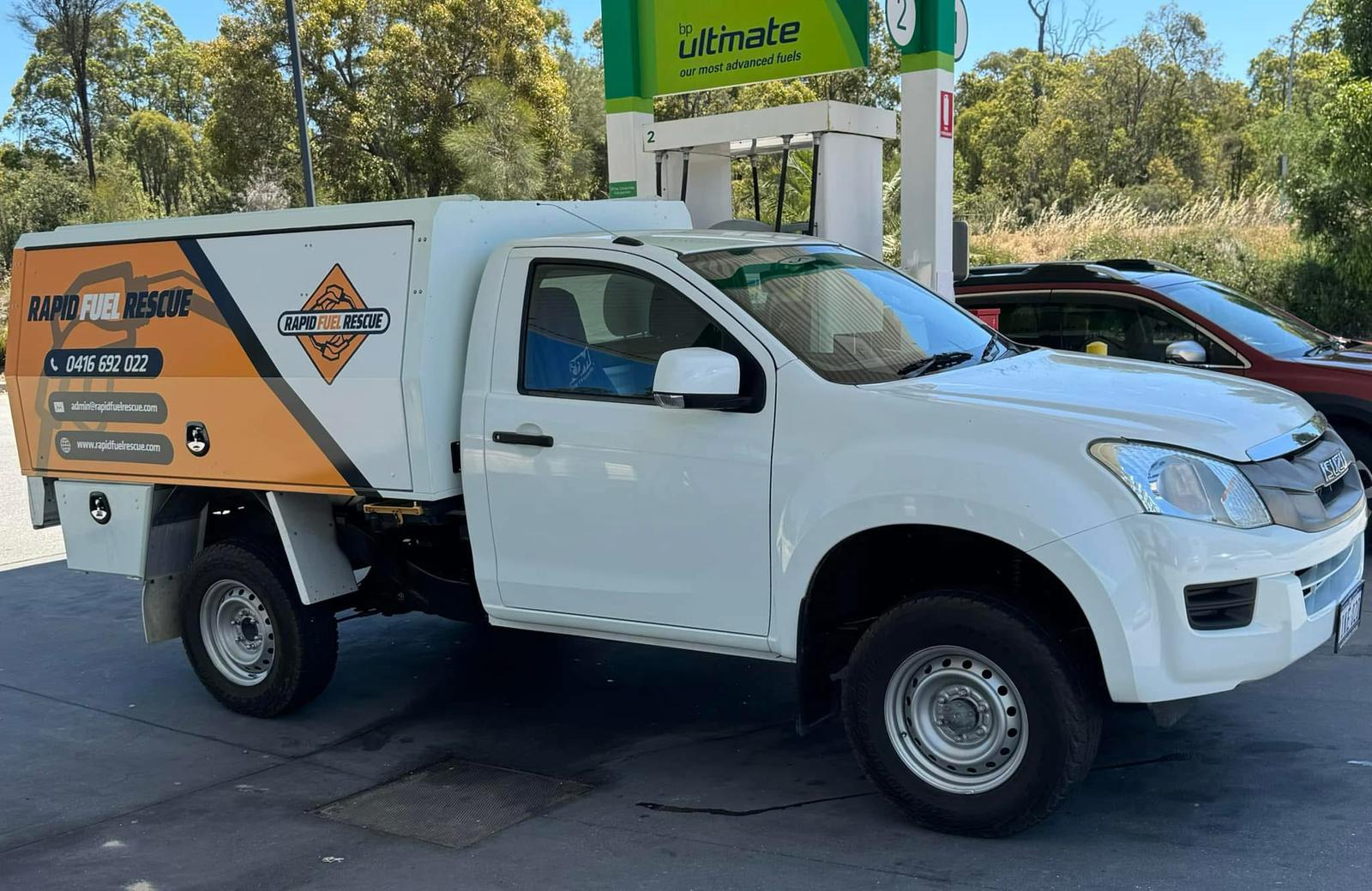
If you've accidentally filled your diesel vehicle with unleaded petrol, don't start the engine! Our petrol in diesel rescue team provides rapid response throughout Perth and surrounding areas. We'll drain the contaminated fuel on-site and get you safely back on the road.
Emergency Help: 0416 692 022Immediate Symptoms of Petrol in a Diesel Engine
Recognition of symptoms depends heavily on whether you've started the engine after misfueling. The warning signs become progressively more severe as contaminated fuel circulates through the system.
Before Starting the Engine
If you realize your mistake before starting, you're in the best possible position. No damage has occurred yet, and a professional fuel drain can completely resolve the situation. Watch for these signs at the fuel pump:
- Receipt shows petrol/unleaded when you drive a diesel vehicle
- Fuel nozzle seems easier to insert than usual (petrol nozzles are smaller)
- Fuel counter shows petrol price per liter instead of diesel
- Different smell from the fuel cap opening
After Starting the Engine
Once you've started the engine with contaminated fuel, symptoms appear quickly and worsen rapidly:
- Knocking or pinging sounds: Unusual metallic noises from the engine compartment indicate improper combustion and component damage
- Excessive smoke: White or light-colored smoke from the exhaust, different from normal diesel smoke
- Loss of power: The engine struggles to accelerate or maintain speed
- Rough running: The engine misfires, stumbles, or runs unevenly
- Warning lights: Check engine light, injection system warnings, or other dashboard alerts
- Difficult starting: The engine struggles to start or won't start at all
- Engine stalling: The engine cuts out unexpectedly, especially under load
If you experience any of these symptoms after refueling, stop driving immediately. Every additional minute of operation increases the damage and repair costs exponentially.
How Much Petrol Causes Damage?
Any amount of petrol in a diesel tank is a problem, but the severity depends on the contamination ratio. Here's how different mixture levels affect your vehicle:
Small Amounts (Less than 5%)
Even 5% petrol contamination significantly reduces the fuel's lubricating properties. While some older diesel engines might tolerate minimal contamination, modern high-pressure injection systems cannot. The safe answer is zero tolerance, any petrol requires professional fuel system drainage.
Moderate Contamination (5-20%)
At this level, damage begins almost immediately after starting. The diluted diesel provides inadequate lubrication, and metal components start wearing rapidly. Running the engine for even a few minutes can cause permanent damage requiring expensive component replacement.
Heavy Contamination (20%+)
Heavy petrol contamination creates an emergency situation. The fuel system receives virtually no protection, and operation will cause severe damage within minutes. Starting the engine at these contamination levels often results in immediate injection pump or injector failure.
Complete Tank (100% Petrol)
A full tank of petrol in a diesel vehicle means catastrophic damage if started. The complete absence of lubricating properties will destroy injection system components almost instantly. However, if caught before starting, a complete drain and fresh diesel fill solves the problem with zero damage.
Need help right now? Contact Rapid Fuel Rescue for 24/7 emergency fuel drainage.
Critical Steps to Take Immediately
Your response to discovering misfueling determines whether you face a minor inconvenience or a catastrophic repair bill. Follow these steps exactly:
Step 1: Do NOT Start the Engine
If you're still at the fuel station and haven't started the engine, this is absolutely critical: DO NOT turn the ignition key. Don't even turn on the electrical system. Starting the engine begins circulating contaminated fuel throughout the system and initiates the damage process.
Step 2: Do NOT Continue Driving
If the engine is already running, turn it off immediately and safely pull over. Don't try to "burn through" the contaminated fuel or drive to a repair shop. Every minute of operation multiplies the damage and repair costs.
Step 3: Call Professional Mobile Fuel Rescue
Time is critical in misfueling situations. Professional mobile fuel rescue services come to your location, whether at a fuel station, parking lot, or roadside, and drain the contaminated fuel on-site. This prevents expensive towing fees and begins the recovery process immediately.
Step 4: Document Everything
Take photos of the fuel pump, your fuel receipt, and your vehicle's fuel cap area. This documentation helps with insurance claims and provides evidence of where and when the misfueling occurred.
The Professional Fuel Drain Process
Professional mobile fuel rescue services use specialized equipment to completely remove contaminated fuel from your vehicle's tank and fuel system. The process typically includes:
- Complete tank drainage: Removing all contaminated fuel from the tank
- Fuel line flushing: Clearing fuel lines of contaminated fuel
- Filter replacement: Installing a new fuel filter to remove contaminant residue
- Clean diesel refill: Adding fresh, clean diesel to ensure proper engine operation
- System testing: Verifying the engine runs properly after service
This process typically takes 45-90 minutes and can be performed at your location without towing the vehicle to a workshop. Most vehicles can be driven normally immediately after service if caught before starting the engine.
Prevention: Avoiding Unleaded Petrol in Diesel Engine Mistakes
Preventing misfueling requires attention and sometimes physical reminders. Consider these strategies:
- Place "DIESEL ONLY" stickers near the fuel cap as a visual reminder
- Keep your hand on the pump nozzle and read the label every time you fuel
- Double-check the pump label and pricing before selecting fuel grade
- Verify the receipt shows diesel pricing before leaving the station
- Be extra careful when driving rental or unfamiliar vehicles
- Stay focused while refueling, avoid phone calls and distractions
- If someone else sometimes drives your vehicle, make sure they know it's diesel
Why Professional Service Matters
Some drivers consider DIY fuel system draining to save money, but this approach carries significant risks. Proper fuel system drainage requires specialized equipment including explosion-proof pumps, proper fuel handling containers, and the technical knowledge to ensure complete contamination removal.
Professional services provide guaranteed complete contamination removal, proper disposal of contaminated fuel, and immediate verification that your engine runs correctly. The cost of professional service is minimal compared to the thousands of dollars in injection system repairs that result from incomplete drainage or delayed response.
Get Expert Help Now
If you've put unleaded petrol in your diesel engine, immediate professional intervention is essential. Mobile fuel rescue services provide the fastest, most effective solution to this common but serious problem. With rapid response times and complete on-site service, professional help gets you safely back on the road while preventing catastrophic engine damage.
Don't risk permanent engine damage by delaying or attempting DIY solutions. Professional mobile fuel rescue services are available 24/7 throughout Perth and surrounding areas, providing peace of mind and guaranteed complete resolution of fuel contamination emergencies.
For expert assistance with wrong fuel emergencies, contact rapid fuel rescue today.